
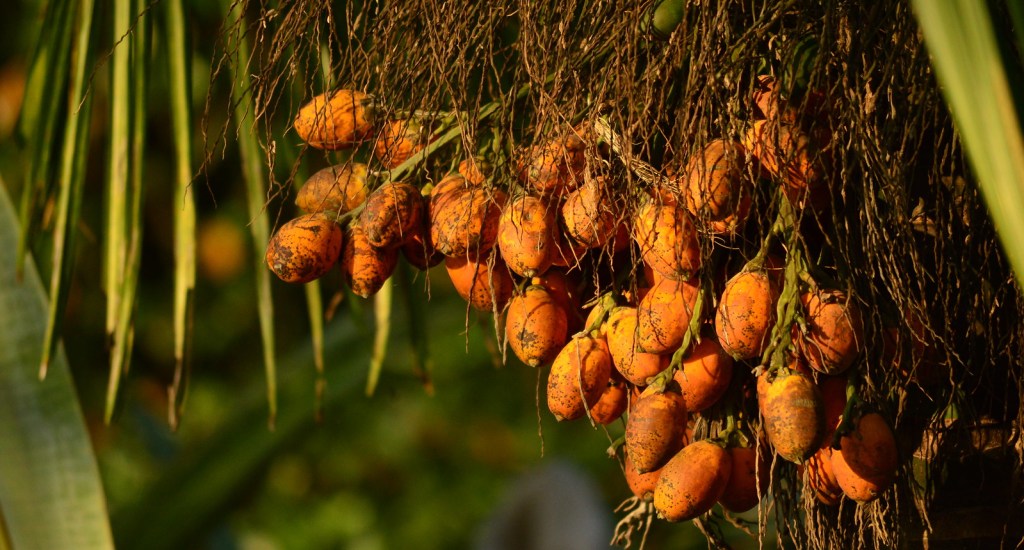
Betel nut, commonly called Areca nut, is the core of the Areca tree palm and bears an crucial position in the heritage and market of various countries across Asia. The kernel is consumed by chewing for its exhilarating impact, notably when paired with paan (a blend of paan leaf and hydrated lime) or chewing tobacco. This country, Indonesia, considered one of the biggest growers of betel seeds, has become a key actor in the universal supply chain for this resource.
Throughout the Indonesian archipelago, consuming betel seed, called locally “sirih pinang,” carries a long tradition. It is often utilized in sacred practices, social gatherings, and medicinal practices. In rural areas, particularly in the island of Sumatra, Kalimantan, and Sulawesi, the tradition of consuming betel nut is still deeply ingrained. The Areca carries a social and traditional meaning, frequently functioning as a symbol of warmth or integrated in conventional events, such as nuptials.
In terms of economics, betel nut cultivation provides a source of income for numerous smallholder farmers, primarily in locations including the Aceh region, the province of West Sumatra, and the northern region of Sulawesi. For these populations, betel nut acts as a important economic product, enhancing their financial means and holding a key position in regional economies.
Indonesia’s tropical climate, fertile earth, and vast shorelines offer the best ecosystem for Areca palms to flourish. The farming process is straightforward and needs substantial effort, including the planting of young palms, maintaining palm groves, and collecting the betel nuts after about five years. After they are harvested, the betel seeds are typically dehydrated, cooked, or fermented, in line with the region’s tradition and the economic demand.
The Indonesian betel nut industry boasts a multifaceted distribution network, including local farmers, regional merchants, wholesalers, and global shipment companies. Occasionally, betel seeds are sold fresh, but frequently, they undergo drying to ensure a longer storage time and to meet the preferences of overseas markets.
International demand for Areca palm seed, especially in regions including India, the nation of Pakistan, the island of Taiwan, and other parts of Southeast Asia, has grown in the last few years. Areca nut is in high demand in these countries, where its consumption continues to be a social practice, in spite of the heightened understanding of its associated health dangers. The country of India is the main purchaser of Indonesian betel nuts. The Areca nuts are prepared in different forms, such as whole nuts, cut nuts, or as powder, in line with the regional preferences. The practice of chewing betel nut in preparing traditional paan remains widespread in the Indian subcontinent, and Indonesian Areca seed is often preferred for its quality and accessibility.
Taiwan region functions as another emerging market for betel nut suppliers in Indonesia, where the custom of betel nut consumption is common, particularly among men in rural areas. Traders in Taiwan choose Areca seeds from Indonesia because of their reduced costs compared to homegrown betel nut farming. In spite of the financial prospects of the betel nut industry, Indonesian suppliers struggle with several issues in broadening their market reach and optimizing their distribution networks.
Over the past few years, medical research have linked habitual chewing of betel nuts with cancers of the mouth and other medical conditions, eliciting concerns about its safety profile. This has led to some regions introducing tighter controls or in some cases prohibitions on the sale and chewing of betel nut items. For instance, Taiwan has implemented measures to limit the practice of chewing betel nut because of increasing incidents of oral cancer. Indonesian manufacturers, consequently, face the obstacle of maneuvering through these laws while upholding their export markets.
Though the Areca nut industry in Indonesia is extensive, it lacks standardized quality measures and standardization processes. This might cause variability in product quality, which harms its worldwide image. Several producers have initiated embracing more stringent sorting, assessing, and packaging methods to provide uniformity, but the overall sector still has opportunities for enhancement.
Like many agricultural commodities, growing betel nuts brings up concerns about deforestation and ecosystem degradation. In some regions, Areca palm groves have expanded into formerly forested areas, leading to a decline in biodiversity and disturbance of ecosystem balance. Addressing these sustainability challenges is essential for the enduring health of the sector.
Indonesia itself is by no means the exclusive country growing Areca palm seed. Other Southeast Asian regions, such as Thailand, Myanmar, and Sri Lanka, too have flourishing Areca nut sectors. Indonesian manufacturers must keep a competitive edge by providing superior quality items, well-organized logistics, and attractive prices to hold their stake in the global market.
Despite the obstacles, the forward-looking view remains encouraging for Indonesian Areca nut market. The global market for betel nut is expected to persist with strength due to the deeply ingrained practices of buyers in key markets. So long as countries such as the country of India and the island of Taiwan continue to seek premium betel seeds, Indonesian suppliers are well-positioned to fulfill this requirement.
To ensure consistent expansion, Indonesian betel nut suppliers are emphasizing modernizing their production methods, refining quality assurance, and venturing into different markets. Some firms are allocating resources to advanced systems and framework to simplify their workflows and improve efficiency. Additionally, there is growing interest in organic and environmentally friendly products, which could create fresh opportunities for producers in Indonesia ready to implement sustainable practices.
The Indonesian Areca nut industry is a important player to both the national and international economy. It provides income to countless independent farmers and satisfies the needs of global markets, particularly in the nation of India and the island of Taiwan. However, hurdles such as health risks, regulatory challenges, and rivalry in the market must be resolved for the industry to succeed in the future. By focusing on eco-friendliness, quality management, and new developments, Indonesian betel nut suppliers can keep to play a vital role in the worldwide supply chain.
 Spesialis Kecantikan
Anda harus log masuk untuk menerbitkan komentar.